
Time-Consuming Field Assessments
Project teams rely heavily on field visits, manual data collection, and scattered tools to assess land and design interventions.
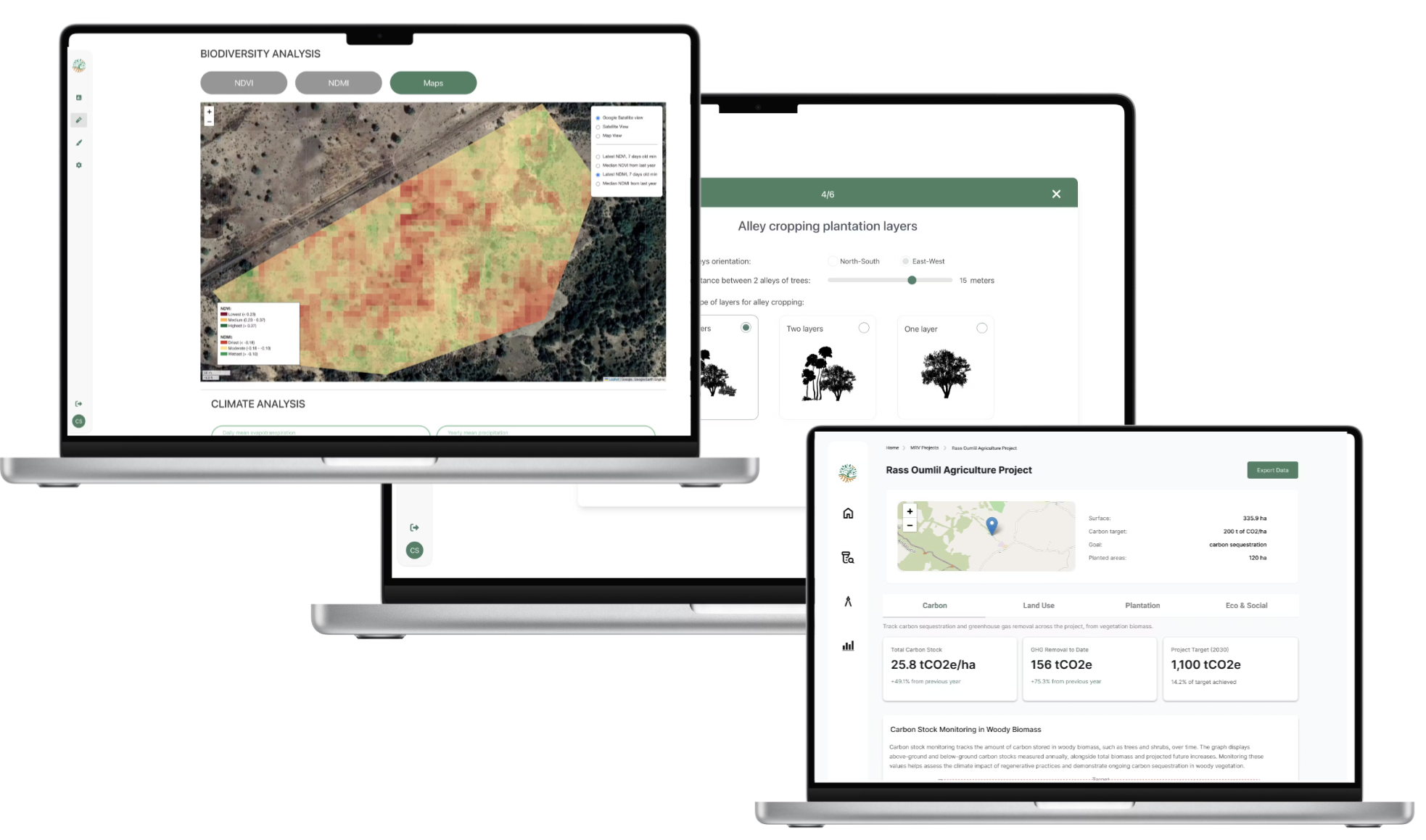
Rapid Site Diagnostics with Satellite Data: Run large-scale pre-diagnostics and gain immediate transparency on land conditions before deploying teams.
Prioritization of Field Interventions: Identify high-risk areas, underperforming zones, and priority clusters where interventions will deliver the highest impact.
AI-Powered Agronomic Decision Support: Translate complex agronomic data into actionable recommendations at plot and cluster level.
Monitoring of Plantation and Agroforestry Systems: Track plantation health, biomass evolution, and land-use changes to maintain continuous visibility without multiplying visits.
Scalable MRV & Carbon Reporting: Measure and report carbon sequestration, emissions, and land-use changes, to deliver audit-ready data for donors, corporates, and certification bodies.
Standardization Across Projects: Structure data once and reuse it across multiple projects, ensuring consistency, comparability, and scalability of your operations.
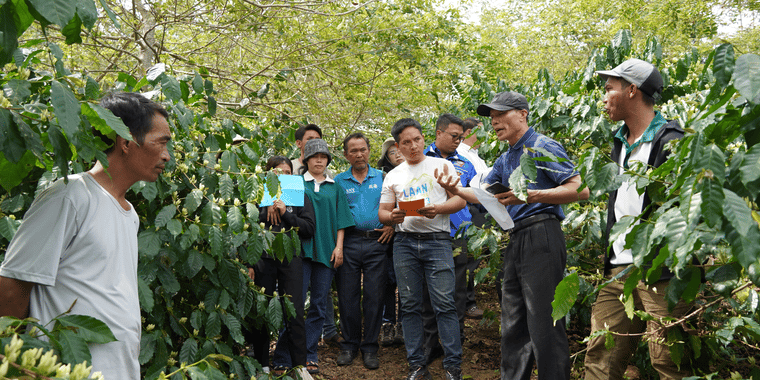
RegenWise is built to support the operational reality of project developers: fragmented landscapes, limited resources, and increasing pressure for measurable impact.